
Property Tax Exclusion
Ending January 1, 2027
What Homeowners Should Know
Installing solar can add value to your home, but in California, a qualifying solar energy system generally does not increase your property’s assessed value for property tax purposes.
California’s Active Solar Energy System New Construction Exclusion allows qualifying solar installations to be excluded from the normal property tax assessment that can occur when improvements are made to real property. This is a property tax exclusion, not a property tax exemption. Your existing property assessment does not go down, but the value of the qualifying solar system is generally not added to it. (boe.ca.gov)
How The California Solar Property Tax Exclusion Works
Normally, when you add something of value to your home, the county assessor can assess the change at its current market value and add that amount to your property’s assessed value.
Qualifying solar installations are treated differently. Under California Revenue and Taxation Code Section 73, the construction or addition of a qualifying active solar energy system is excluded from the definition of what can be assessed as “new construction.” (Leginfo)
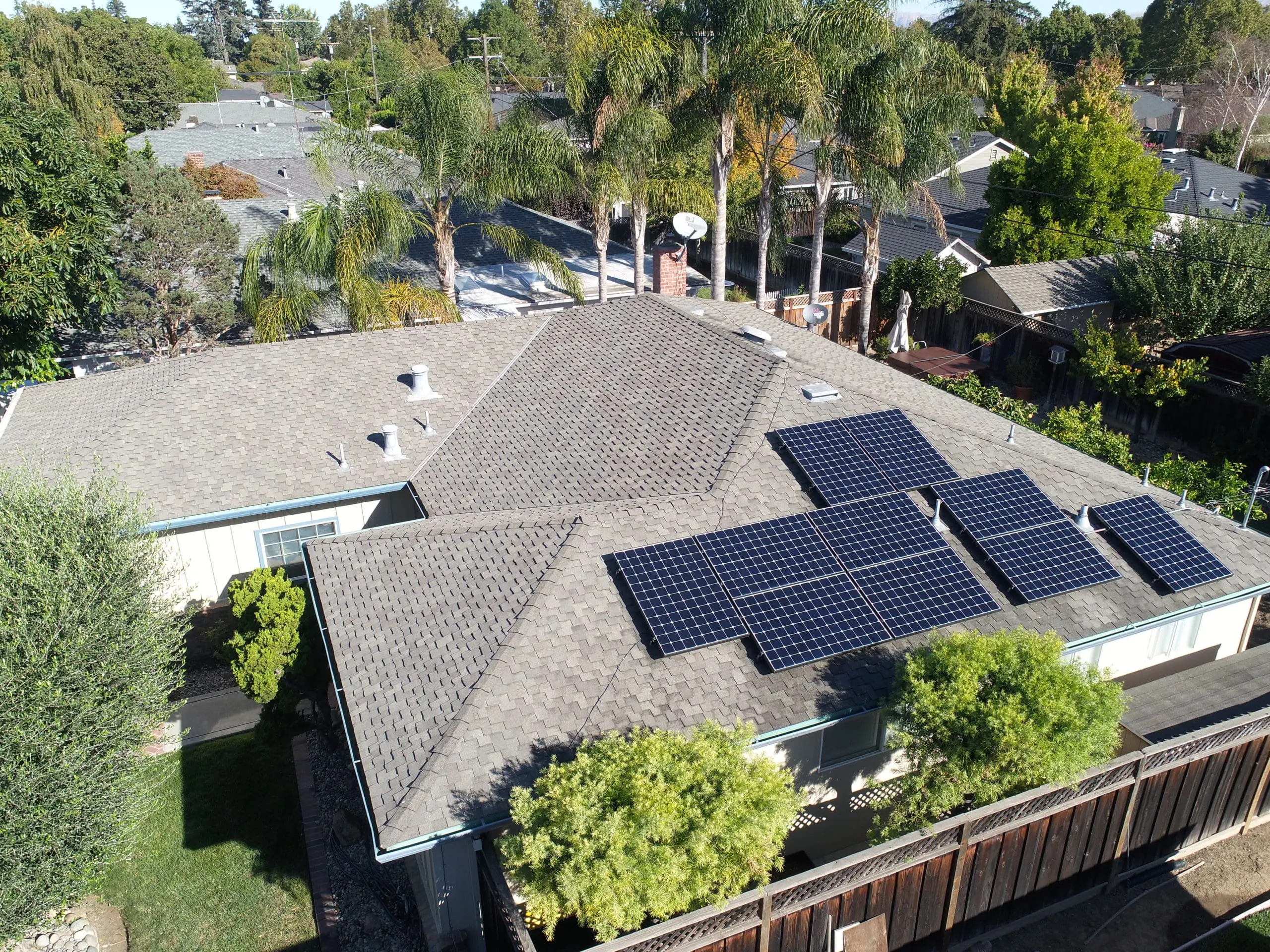
For example, if you install a qualifying rooftop solar system on a home you already own:
- The solar installation generally does not increase your existing property tax assessment.
- You normally do not need to file a special claim with the county.
- The assessor typically learns about the installation through the building permit.
- The exclusion can apply whether the system is owned or leased.
Additionally, this does not mean your entire property becomes exempt from property taxes. Your home continues to be assessed under California property tax rules. The exclusion applies specifically to the value associated with the qualifying solar energy system.
What Qualifies as an Active Solar Energy System?
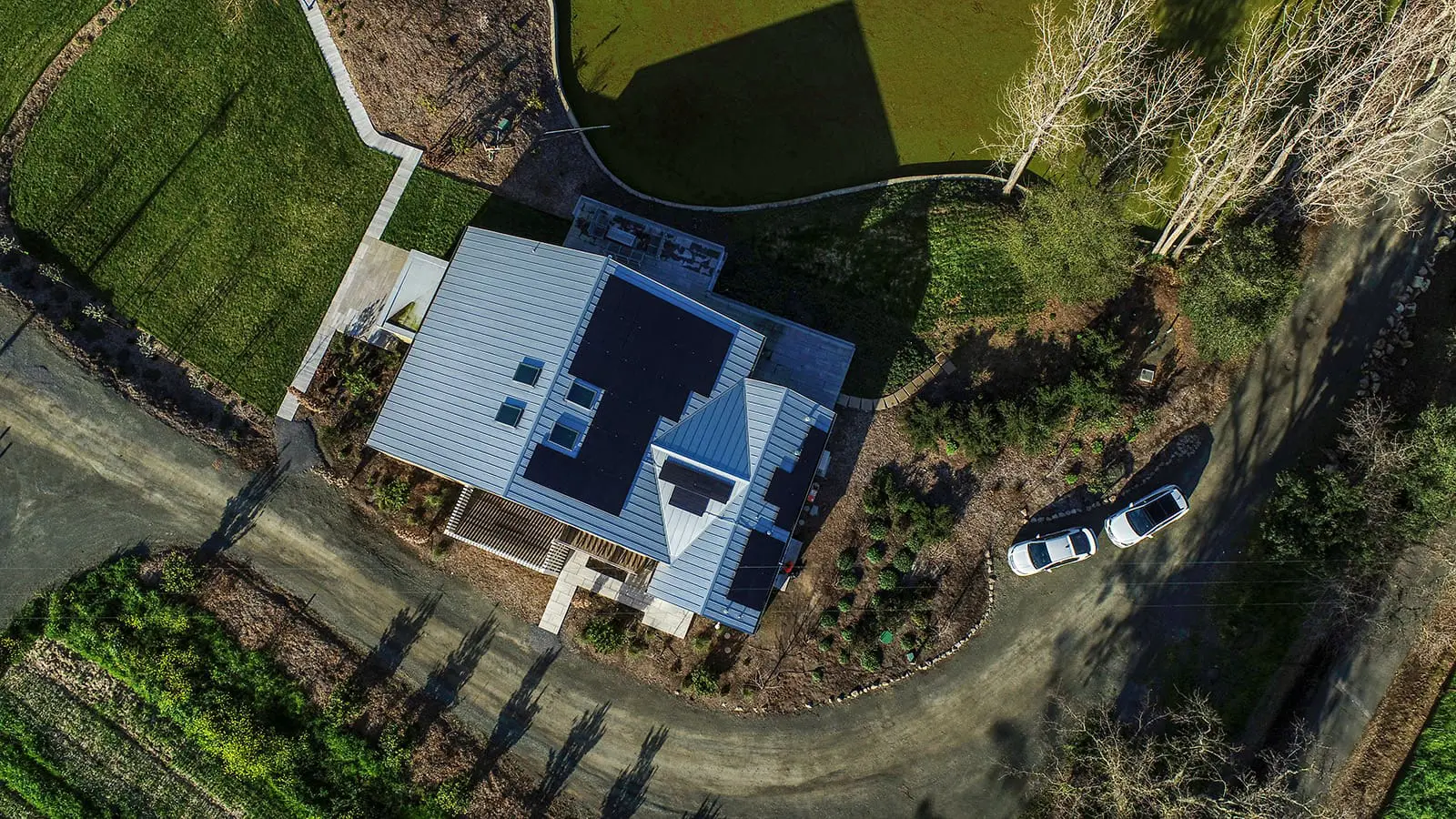
California defines an active solar energy system as equipment that collects, stores, or distributes solar energy. Qualifying systems can be used for:
- Producing electricity, including solar panels
- Water heating
- Space heating or conditioning
- Process heat
- Solar mechanical energy
Certain equipment associated with producing solar electricity can also qualify, including storage devices, power-conditioning equipment and other equipment that is part of the functioning solar energy system.
The exclusion does not include solar swimming pool heaters, hot tub heaters, passive solar systems or wind energy systems.
Important Deadline for Solar Installed in 2026
California’s current solar property tax exclusion is scheduled to remain available until
For homeowners installing solar during 2026, completion timing can matter. BOE guidance states that active solar energy system construction completed before January 1, 2027 may qualify for the exclusion. A system started during 2026 but not completed before January 1, 2027 may not receive the same treatment under the current law. (California State Board of Equalization)
Once a qualifying system receives the exclusion, current law provides that it can continue to be excluded after January 1, 2027 until there is a subsequent change in ownership of the property. (Leginfo)
For homeowners considering solar in 2026, getting the project permitted, installed and completed before the end of the year may therefore be important.
January 1, 2027
FAQ’s About The California Solar Property Tax Exemption
Do I Need to File a Form?
For most homeowners adding solar to a house they already own, no special property tax exclusion form is required. The county assessor generally receives information about the installation through the building permit.
There is a different process when solar is installed by a developer as part of a newly constructed home. Under certain circumstances, the first purchaser may need to submit Form BOE-64-SES [pdf], Initial Purchaser Claim for Solar Energy System New Construction Exclusion, to the county assessor.
If you believe your county has incorrectly increased your assessment because of a qualifying solar installation, the BOE recommends contacting the County.
What Happens When the Home Is Sold?
The solar exclusion does not necessarily remain with the property forever. California law states that the exclusion remains in effect until a subsequent change in ownership. A sale or other qualifying ownership change can therefore affect the property’s assessment and the treatment of the solar system.
That is different from saying that installing solar immediately causes your home’s property taxes to increase. For an existing homeowner installing a qualifying system under the current rules, the installation itself generally does not increase the home’s assessed value.
Thinking About Solar in California?
Property tax treatment is only one factor to consider when deciding whether solar makes sense for your home. System size, electricity usage, utility rates, available roof space, battery storage and financing can all affect the numbers.
Synergy Power can evaluate your home, electricity usage and solar options and show you what a properly sized system could look like.
Request a Solar Consultation →
This page is provided for general educational purposes and is not tax or legal advice. Property tax treatment can depend on individual circumstances. For questions about your property’s assessment, contact your County Assessor or the California State Board of Equalization.
Visit https://boe.ca.gov/proptaxes/active-solar-energy-system/ for more information.