Solar Panel Maintenance
Keep Your System Clean
Keep Your Panels Shining & Your Power Flowing
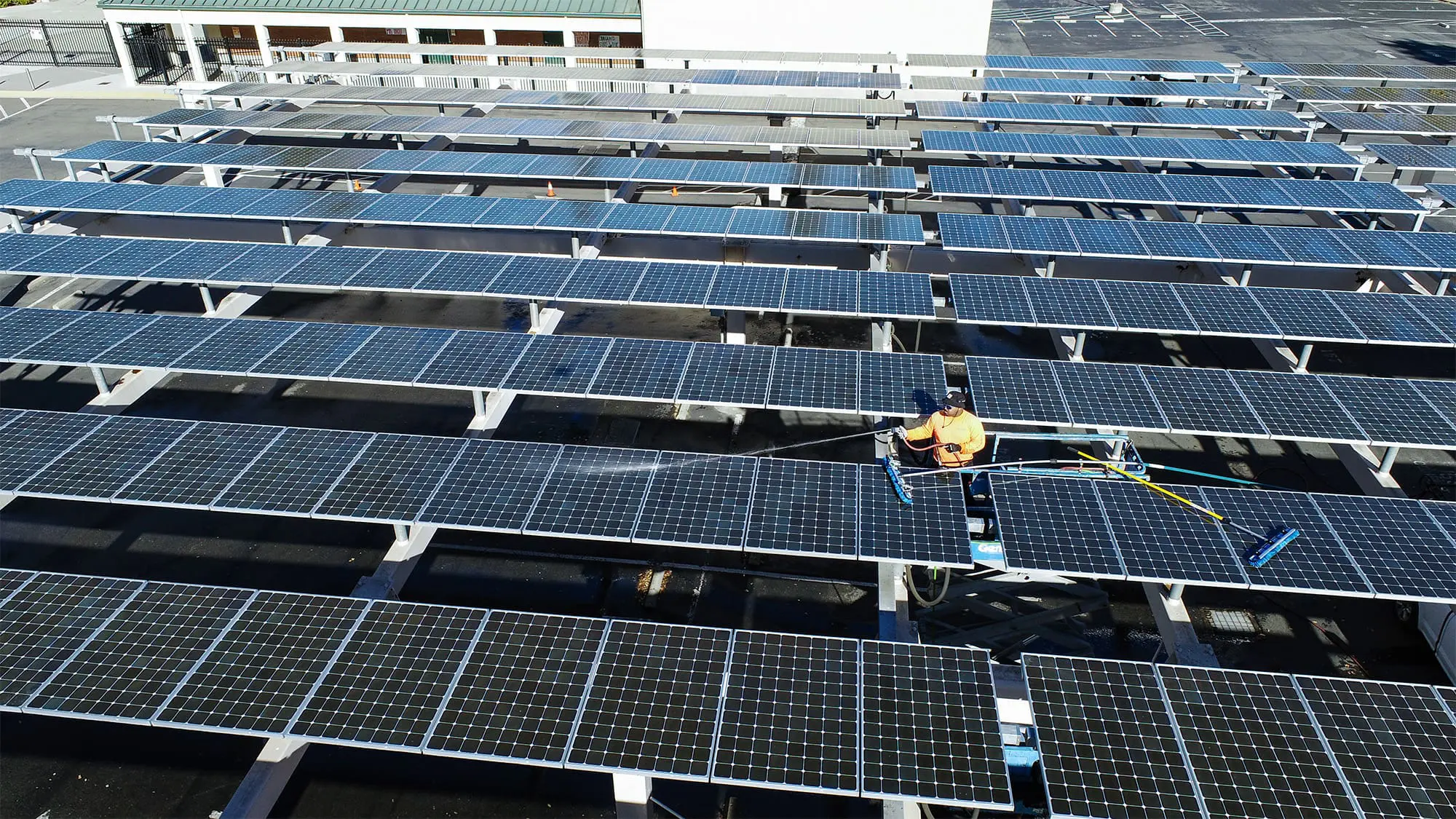
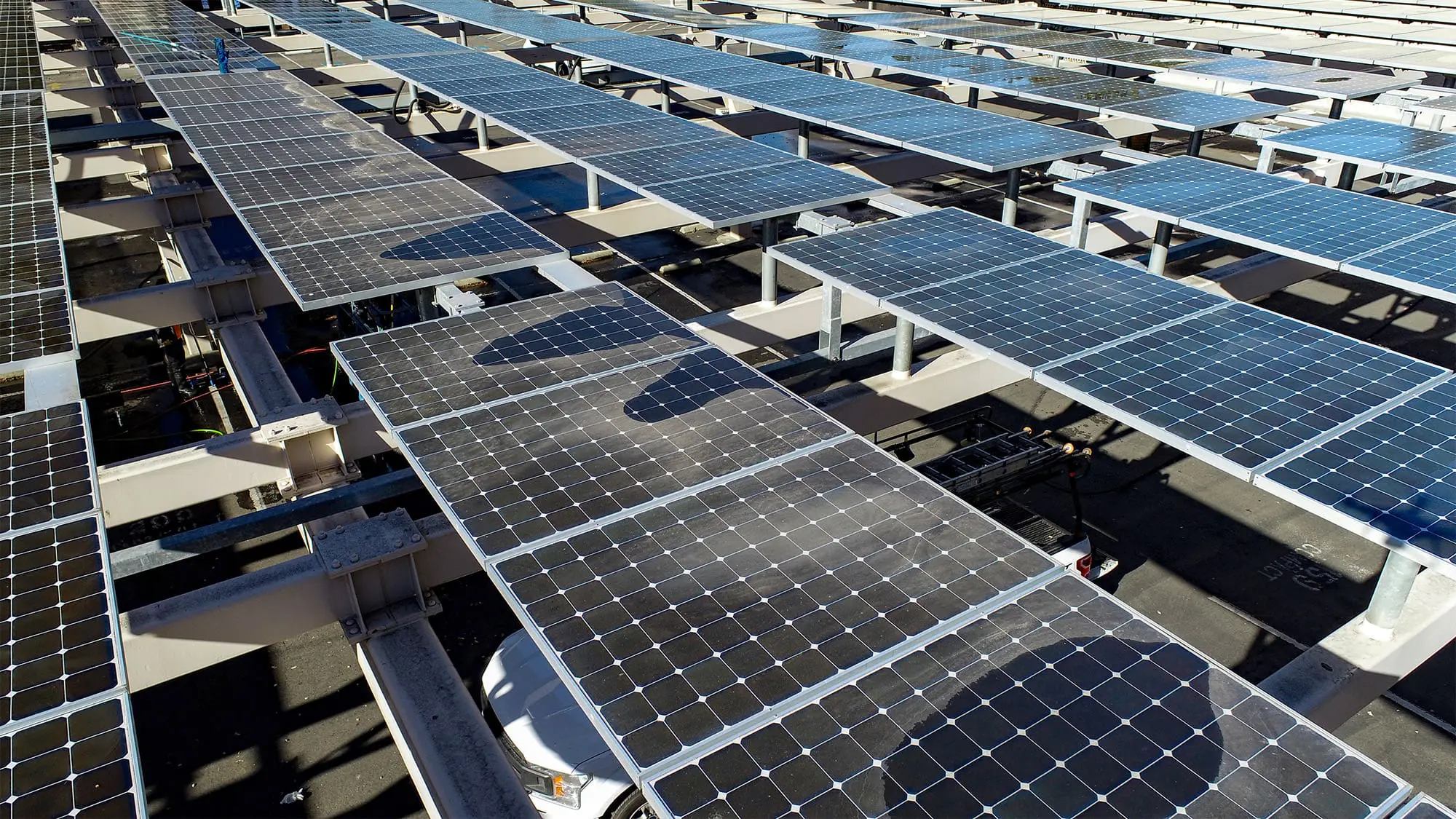
Clean solar panels work better—it’s that simple. If your panels are easy to reach, you can handle basic cleaning yourself, but we recommend a professional inspection and cleaning from Synergy Power once or twice a year to ensure peak performance. Just like washing the dishes, a little soap and water can go a long way, and customers often notice up to a 10% boost in energy production right after a cleaning.
10% boost
In Energy Production
How to Wash Your Own Solar Panels
Simple Steps for a Longer-Lasting System
Regular maintenance helps your solar panels last longer and perform at their best. For most dirt and debris, soap and water or a vinegar solution works perfectly. For stubborn spots, rubbing alcohol can help—but be cautious: some soaps can leave a shiny residue that reflects sunlight instead of absorbing it. Want to skip the time and hassle? Let the experts at Synergy Power handle it for you. We’ll keep your panels spotless and your energy production strong year-round.
Frequently Asked Questions
Does Your Solar Need Service?
While some dirt is normal, if your solar panels are very dirty (or these days, covered with ash), it may be practical to clean them. Our trained technicians clean the panels and perform a basic check to ensure the system is working. They can also recommend a more thorough inspection and explain why it may be warranted. Avoid window cleaners that dismiss the difference between solar panels and window glass, as they may use soap that can leave residue that reflects, rather than absorbs sunlight. SynergyPower has solar panel cleaing experts on staff.
Many systems have an inverter with a green light indicating that all is well. Check your manual or send us a picture of yours if you have any questions. Of course, many other systems have AC modules or inverters under each panel, a good reason to keep that monitoring active and supervised.
If you are on an annual net metering agreement (NEM) with your utility, expect to create a credit in the summer and likely the opposite in the winter. This assumes your system is designed to eliminate your bill and not just reduce it. Keeping an eye on that monthly utility statement is a great way to make sure you don’t get hit with a massive bill at the end of the solar anniversary.
Tree growth is often overlooked as culprit for your solar underperforming over time. Installers may assume trees will not grow and/or you’ll keep them trimmed. There are even laws in some states ensuring your ‘right to sun access’ once you install solar on your roof, including from neighbors’ trees. Regardless of views on that legislation, it is a factor that’s often overlooked. Few people want to pay for a system inspection only to find out they need to pay someone else to trim their trees in order to restore system performance.
Nearly all PV solar systems today have free monitoring systems. The easiest way to access many of these is to install the app on your smart phone and keep a weekly to monthly eye on it. If it reports an error, contact the installer. Or call us! We can help resolve the issue.
A good install company should explain & provide monitoring of your system’s performance on a monthly basis. A glance at a smart phone app once a month tells you all you need to know. Many customers want to see the instant output of a PV system to determine system performance, but this is unrealistic. Such data requires specialized equipment, which few install companies have. SynergyPower has this apparatus- We can conduct such a test on a clear day at a time when your panels have full sun (no shade).
How Much Does a Solar System Inspection Cost?
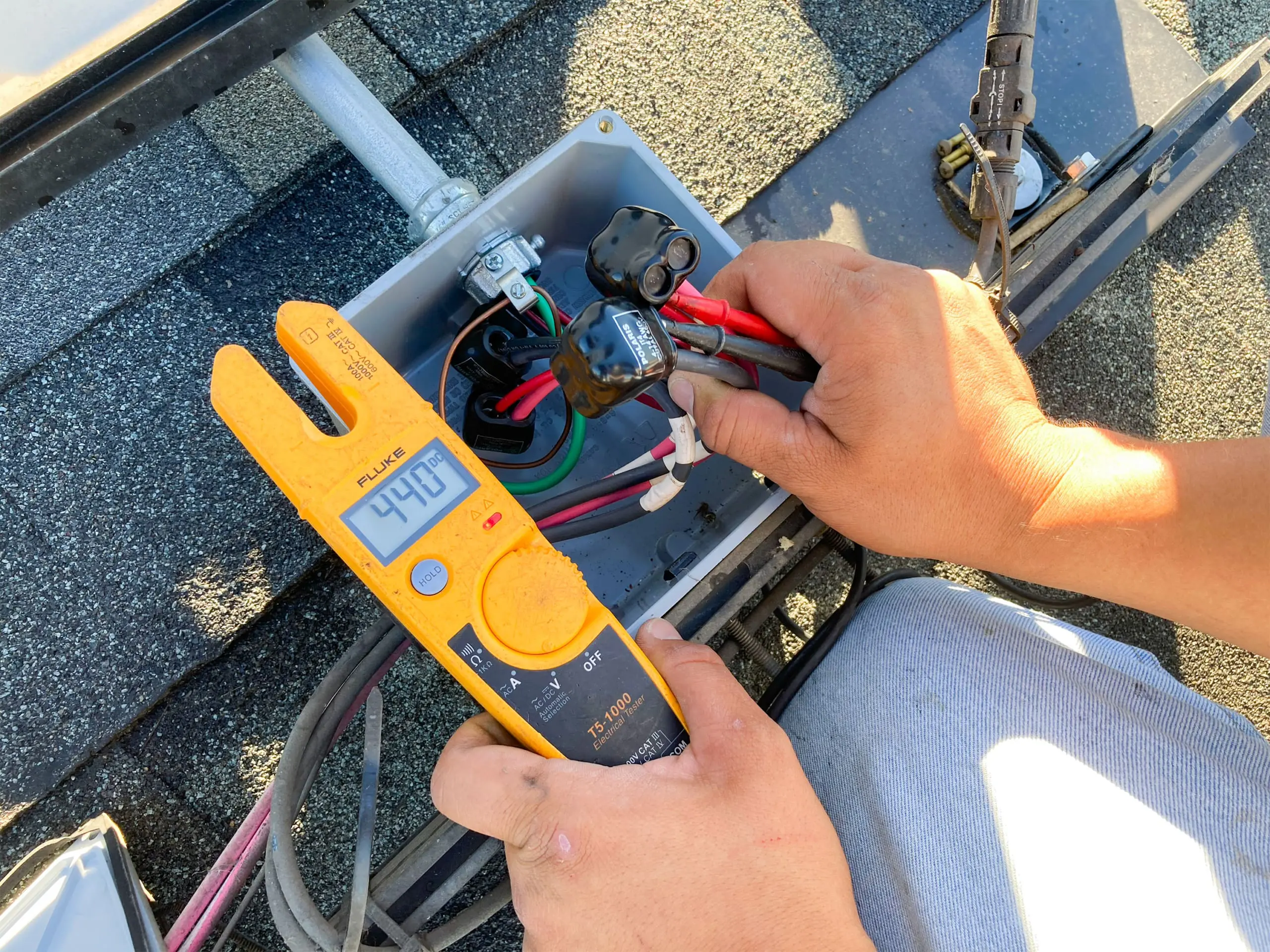
Residential service starts at $475 for a certified installer to inspect your system and can go up from there based on size and location.
Commercial system inspections start at $595 and go up from there based on size and location.
We test to the MCS and IEC 642446 standards. This means your system will be tested to ensure safe and proper operation. You can learn more about these standards here.
Costs can increase due to accessibility. If your system is mounted on a carport, that can often increase the complexity and time required for proper testing. Expect to pay more for difficult access situations.