
A Commercial Solar Guide: 8 Essential Steps
Solar energy isn’t new—it’s now a smart, practical solution for businesses that want to cut costs and lower their carbon footprint.
Commercial PV installations make sustainability achievable. They help companies harness the sun’s power for daily operations.
But how can a business switch to solar energy?
This commercial solar guide provides a clear roadmap for planning, purchasing, and installing solar systems. It explains every step—from assessing energy use to choosing the right technology.
You’ll also learn about financing, tax credits, and calculating ROI.
By the end, you’ll understand how to implement solar energy for your business with confidence. Let’s take this journey toward a sustainable, solar-powered future.
For more details, read this post on the five steps to switch your business to solar.

1. Understand the Basics of Commercial Solar Energy
Commercial solar energy uses photovoltaic (PV) systems to create electricity from sunlight. These systems convert sunlight into usable energy for your business operations.
Switching to solar supports sustainability and lowers utility bills. It also builds energy independence.
Core components include:
- Solar panels – capture sunlight
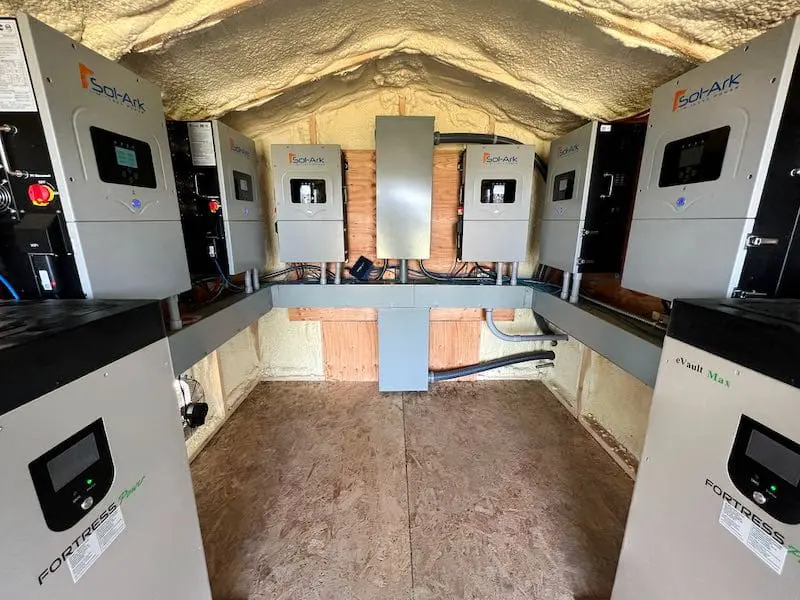
- Inverters – convert energy into usable power
- Mounting systems – secure panels in place
Understanding these basics helps businesses begin their solar journey with confidence.
The Environmental and Financial Benefits of Commercial Solar
Commercial solar delivers strong environmental and financial advantages.
**Environmental benefits:**
* Reduces greenhouse gas emissions
* Lowers your carbon footprint
* Supports cleaner air and global sustainability
**Financial benefits:**
* Cuts long-term energy costs
* Protects against fluctuating utility rates
* Can increase property value
By investing in solar, your business locks in predictable energy prices and gains stability in an unpredictable energy market.
Types of Commercial Solar Installations
Different installation types fit different business needs:
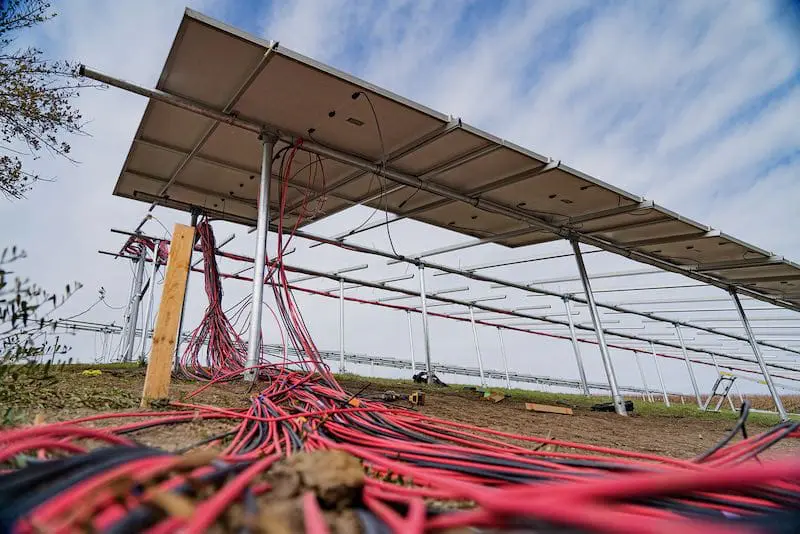
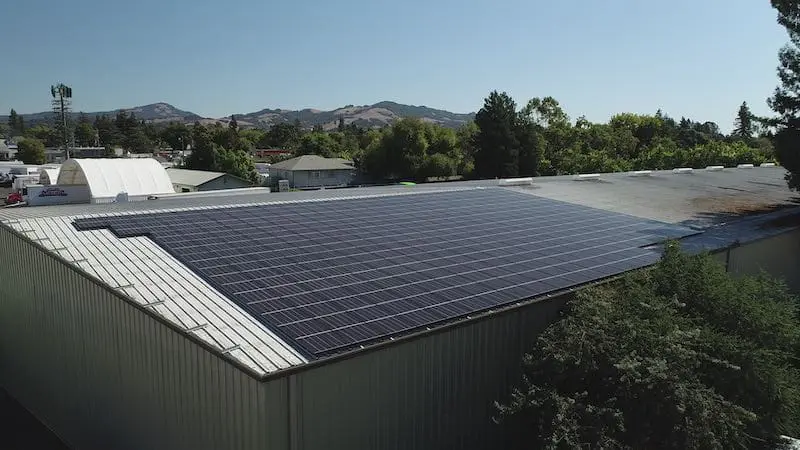
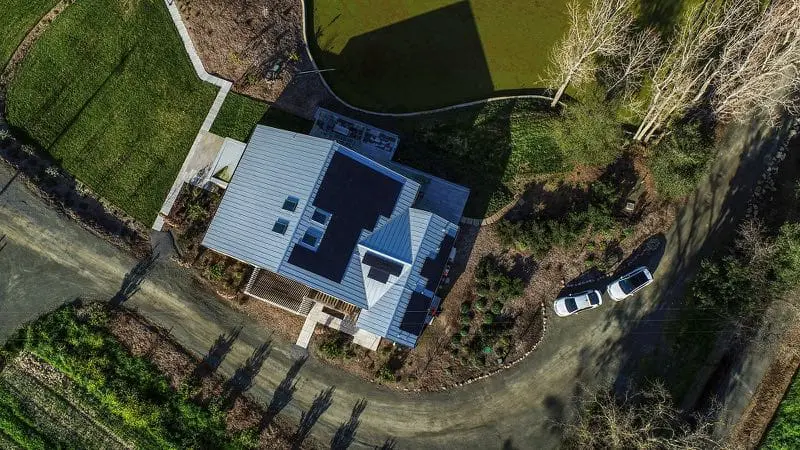
- Rooftop systems: Maximize unused roof space for energy generation.
- Ground-mounted systems: Ideal for properties with open land; easy to maintain and scale.
- Solar carports: Provide shaded parking while producing clean energy.
Each option offers flexibility and efficiency for commercial properties.
2. Plan Your Commercial Solar Project
Proper planning ensures a smooth solar installation. Start by defining your project goals and timelines.
Include all key stakeholders early to align expectations and priorities. This collaboration helps avoid delays later.
Anticipate possible challenges—like site restrictions, financing, or regulations—and address them early.
Assessing Your Energy Needs
To design the right system, analyze your energy use:
- Total electricity use (in kilowatt-hours)
- Peak demand and seasonal usage
- Future growth or expansion
Review your utility bills to spot trends and forecast future needs. This ensures your system meets both current and future energy demand.
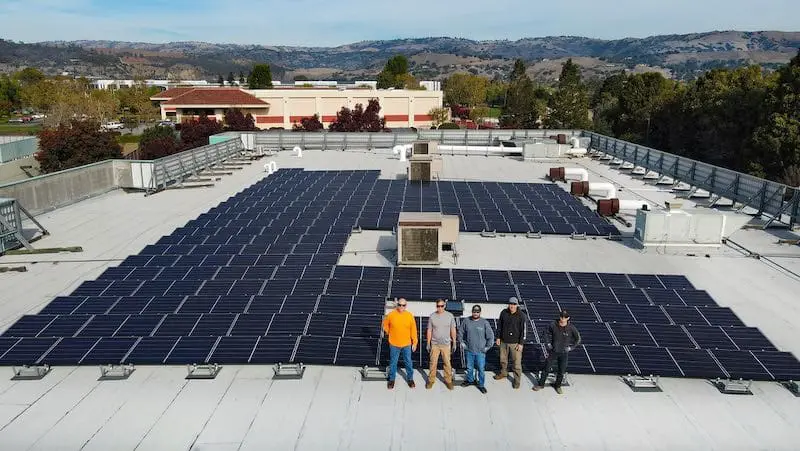
DCIM100MEDIADJI_0034.JPG
A precise energy assessment serves as the blueprint for a customized and efficient solar setup.
Site Assessment for Solar Viability
A detailed site inspection confirms if your property is suitable for solar. Key factors include:
- Roof angle, material, and condition
- Available open space
- Shading from trees or nearby buildings
Reducing shading and ensuring strong structural integrity will boost performance and simplify installation.
Choosing the Right Solar Technology
Choose technology that fits your goals and location:
- Monocrystalline panels: High efficiency, smaller footprint.
- Polycrystalline panels: Affordable and reliable.
- Thin-film panels: Lightweight and flexible for unique spaces.
Inverters are equally important—they convert DC to AC power. Consider new innovations like bifacial panels and advanced inverters for higher efficiency.
3. Financial Considerations for Commercial Solar
Financial planning is vital. Although upfront costs exist, long-term savings make solar a sound investment.
Analyze cash flow, potential energy savings, and how solar aligns with your financial goals.
Understanding Solar Investment Models
Common investment options include:
- Purchase: Full ownership, long-term savings, higher upfront cost.
- Lease: Lower upfront cost, fixed payments, limited ownership.
- Power Purchase Agreement (PPA): Pay only for energy produced, often no upfront cost.
Each model offers different benefits—choose what fits your budget and business goals.
Exploring Tax Credits, Rebates, and Incentives
Take advantage of solar incentives to reduce costs:
- Federal Investment Tax Credit (ITC)
- State and local rebates or grants
- Accelerated depreciation benefits
These programs can lower initial costs and increase ROI. Learn more about solar incentives here.
Calculating ROI and Payback Period
To calculate ROI:
- Compare savings to total project cost.
- Estimate maintenance and lifetime performance.
- Identify your payback period—the time to recover costs.
A shorter payback period means faster returns and stronger financial justification for your solar investment.
4. Selecting a Commercial Solar Provider
Choosing the right installer ensures quality results and long-term reliability.
Research each provider’s experience with commercial projects, stability, and customer service.
Look for companies that offer strong warranties and responsive support.
Evaluating Solar Contractors and Proposals

When reviewing proposals:
- Verify credentials and certifications.
- Request detailed scopes, timelines, and costs.
- Check client references and past projects.
Transparent proposals and verified experience build trust and ensure quality outcomes.
The Importance of a Detailed Contract
A clear contract sets expectations and protects both parties. It should outline:
- Scope of work and deliverables
- Warranties and service terms
- Termination and liability clauses
Review everything carefully to prevent future disputes.
5. Installation and Implementation of Commercial Solar
Installation is where your solar plan becomes reality. Coordination among electricians, engineers, general contractors, and project managers ensures success.
Always follow strict safety protocols during installation.

Obtaining Permits and Understanding Regulations
Permits and local regulations vary by area. Research early to prevent delays.
Your solar provider can help with permits, zoning laws, and compliance requirements. Staying ahead of regulations speeds up approval.
The Interconnection Process with Utility Grid
Interconnection allows you to send excess power to the grid.
Work with your utility company early to meet their requirements. Ensure all equipment and specs comply before connection.
Addressing Shading and Orientation Issues
Shading and orientation greatly affect performance.
For best results:
- Face panels south in the northern hemisphere.
- Remove or avoid shade sources like trees or structures.
- Use solar pathfinders to analyze sunlight exposure.
Small adjustments can dramatically improve system efficiency.
6. Post-Installation: Operations and Maintenance
After installation, consistent maintenance keeps your system efficient and reliable.
Schedule regular inspections to catch issues early and avoid downtime.

Monitoring System Performance
Track system output through real-time monitoring tools.
Monitoring helps:
- Spot performance drops quickly
- Identify patterns and inefficiencies
- Maintain optimal production
Maintenance and Troubleshooting
Regular maintenance maximizes performance.
- Clean panels regularly to remove dirt and debris.
- Address minor issues promptly to avoid larger problems.
- Use professionals for inspections and technical fixes.
The Role of Energy Efficiency and Storage Solutions
Enhance system value by pairing solar with:
- Energy-efficient appliances
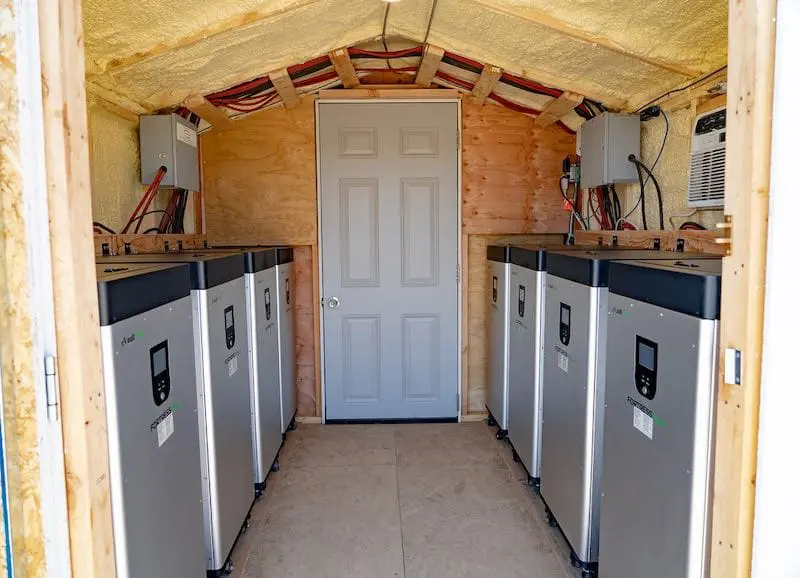
- Battery storage for night or cloudy days
- Smart energy management systems
Storage increases reliability and reduces dependence on the grid.
7. Communicating Your Solar Commitment
Share your solar story—it builds trust and strengthens your brand.
Inform employees about the project to boost engagement.
Externally, highlight your solar efforts on your website, press releases, and social media.
Engaging Stakeholders and the Public
Showcase your project by hosting tours or information sessions.
Share blog updates or videos highlighting milestones and results. Collaborate with local schools or environmental groups to increase impact and community support.
Solar Energy and Corporate Social Responsibility
Solar power strengthens your Corporate Social Responsibility (CSR) strategy.
It reflects a genuine commitment to sustainability—improving your image and inspiring employees and customers alike.
Emphasize how your solar efforts reduce emissions and support global green goals.
8. Conclusion and Next Steps
Investing in commercial solar offers lasting environmental and financial rewards.
Follow each step—from planning to installation—to ensure success. Work with experts to simplify the process and maximize your results.

Creating a Solar Project Timeline and Checklist
Keep your project on track with a clear checklist:
- Set milestones for each project phase.
- Assign responsibilities and deadlines.
- Monitor progress and adjust as needed.
A structured timeline improves coordination and reduces risk.
Staying Informed and Adapting to Changes
The solar industry evolves fast. Stay updated through:
- Workshops, webinars, and conferences
- Industry news and policy updates
- Networking with solar professionals
Flexibility helps you adapt to innovations and maintain efficiency.
Leveraging Solar for Long-Term Business Success
Solar energy drives long-term growth. It cuts costs, boosts your green reputation, and attracts eco-conscious clients.
Reinvest savings into business expansion or new renewable initiatives.
Ready to start your commercial solar project? Contact us today for expert guidance and a free quote.
Schedule A Consultation
Related Posts


Recent Projects