

Benefits of Solar Car Chargers
Solar Powered Car Battery Chargers: Benefits, Options, and How They Work
Solar power can be used to help charge vehicles in more than one way.
For homeowners with solar panels, electricity from the solar system can help power a home EV charger. Portable solar chargers can also be used to maintain or recharge certain vehicle batteries.
These are two different types of systems:
- Home solar EV charging: Solar panels on your home produce electricity that can be used by an EV charging station.
- Portable solar battery chargers: Small solar panels are typically used to maintain or charge 12-volt batteries in gas-powered vehicles, RVs, boats, and similar equipment.
Both options use sunlight to produce electricity. The right choice depends on the type of vehicle, how much power you need, and where you plan to charge.

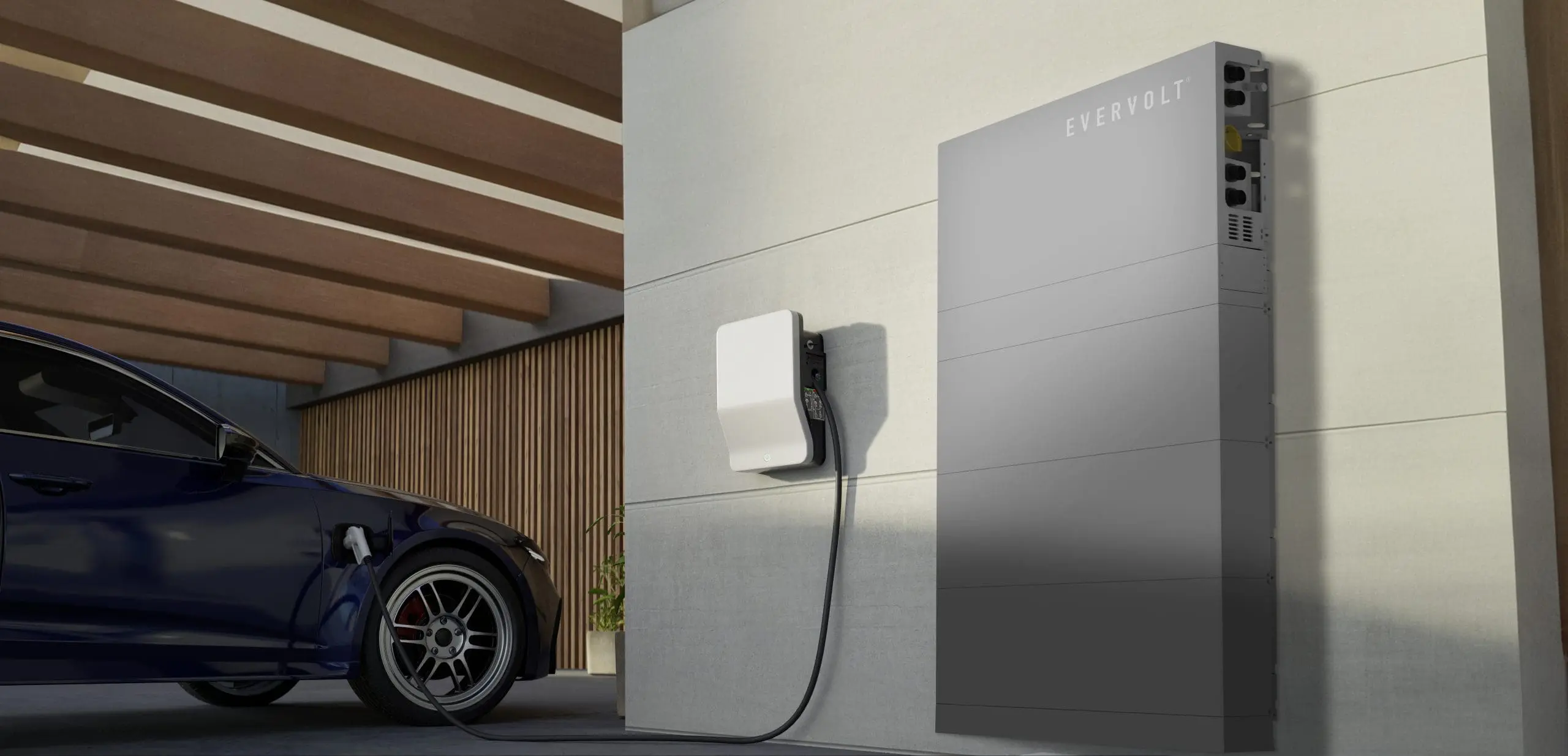
Electric vehicle connected to a charging station
How Solar Powered Car Charging Works
Solar panels use photovoltaic cells to turn sunlight into electricity.
When sunlight reaches the cells, they produce electrical current. That electricity can then be used in several ways depending on the system.
A home solar system may send electricity to:
- Your home’s electrical system
- An EV charger
- A home battery
- The utility grid, depending on the system and local utility rules
A portable solar charger works on a much smaller scale. Its solar panel produces electricity that can help maintain or charge a compatible vehicle battery.
What Are Photovoltaic Cells?
Photovoltaic cells are the main working parts of a solar panel.
They are made from semiconductor materials that produce electricity when exposed to sunlight. This is known as the photovoltaic effect.
Solar panels produce electricity without creating emissions while they operate.
Using Solar Instead of Grid Electricity
A home solar system can reduce how much electricity you need to purchase from the grid.
If you own an EV, some of the electricity produced by your solar panels may be used to charge the vehicle.
How much solar energy actually reaches the vehicle depends on:
- The size of your solar system
- How much electricity your home uses
- When you charge your EV
- Weather and solar production
- Whether you have battery storage
Potential Energy and Cost Benefits
Solar charging can give homeowners more control over where their electricity comes from.
Instead of relying only on electricity purchased from the utility, a home with solar panels can produce some of its own power.
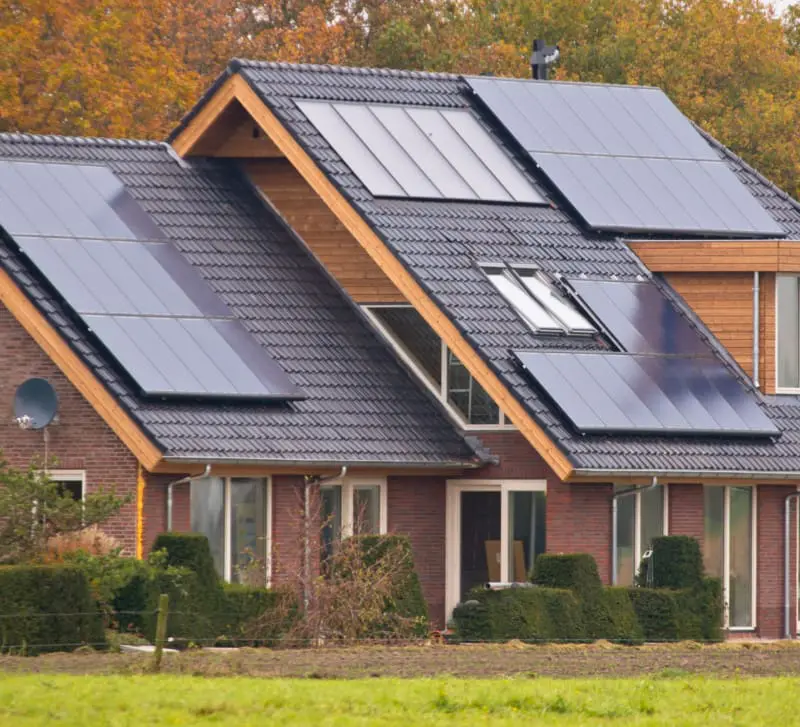
Solar panels installed on a home
Reduce Grid Electricity Use
Charging an EV increases a home’s electricity use.
A properly sized solar system can help offset some of that extra demand by producing electricity during the day.
The amount you can offset depends on your system size, driving habits, charging schedule, and household energy use.
Potential Long-Term Savings
Solar panels require an upfront investment, but the electricity they produce can reduce the amount of power you purchase from the utility.
For EV owners, this may also reduce the amount of grid electricity used for vehicle charging.
Actual savings vary based on:
- Solar installation cost
- System production
- Utility electricity rates
- EV energy use
- Financing costs
- Available incentives
Solar incentives and tax rules can change. Check current requirements before including incentives in your financial calculations.
Environmental Benefits of Solar Charging
Solar panels generate electricity without producing air pollution during normal operation.
Using solar energy for part of your home’s electricity needs can also reduce dependence on electricity generated from fossil fuels.
Lower Emissions From Electricity Use
The environmental impact of EV charging depends partly on how the electricity is generated.
Producing some of that electricity with rooftop solar can reduce reliance on grid power from fossil-fuel sources.
Support Renewable Energy Use
Solar charging combines two technologies that can reduce fossil-fuel use:
- Electric vehicles
- Solar electricity
For homeowners already considering an EV, adding solar may help meet some of the vehicle’s added electricity demand.
Solar Chargers Require Relatively Little Maintenance
Solar panels generally have few moving parts.
Routine maintenance may include:
- Checking the system for damage
- Monitoring electricity production
- Cleaning panels when needed
- Inspecting electrical equipment
The amount of maintenance will depend on the type of system and equipment installed.
Solar Panel Durability
Modern solar panels are designed for long-term outdoor use.
The equipment must handle years of exposure to sun, rain, wind, and changing temperatures.
The expected life and warranty will vary by manufacturer and product.
Improved Solar Technology
Solar technology has continued to improve.
Modern equipment can produce electricity under a wide range of conditions, although solar output still changes based on sunlight, shade, temperature, weather, and system design.
Home Solar EV Charging vs. Portable Solar Battery Chargers
One of the most important distinctions is the difference between a home solar EV charging system and a small portable solar battery charger.
They are designed for very different jobs.
Home Solar EV Charging
A home solar EV charging setup typically uses rooftop solar panels to produce electricity for the home.
That electricity can also be used by an EV charging station.
A system may include:
- Rooftop solar panels
- A solar inverter
- An EV charging station
- Electrical panel upgrades when needed
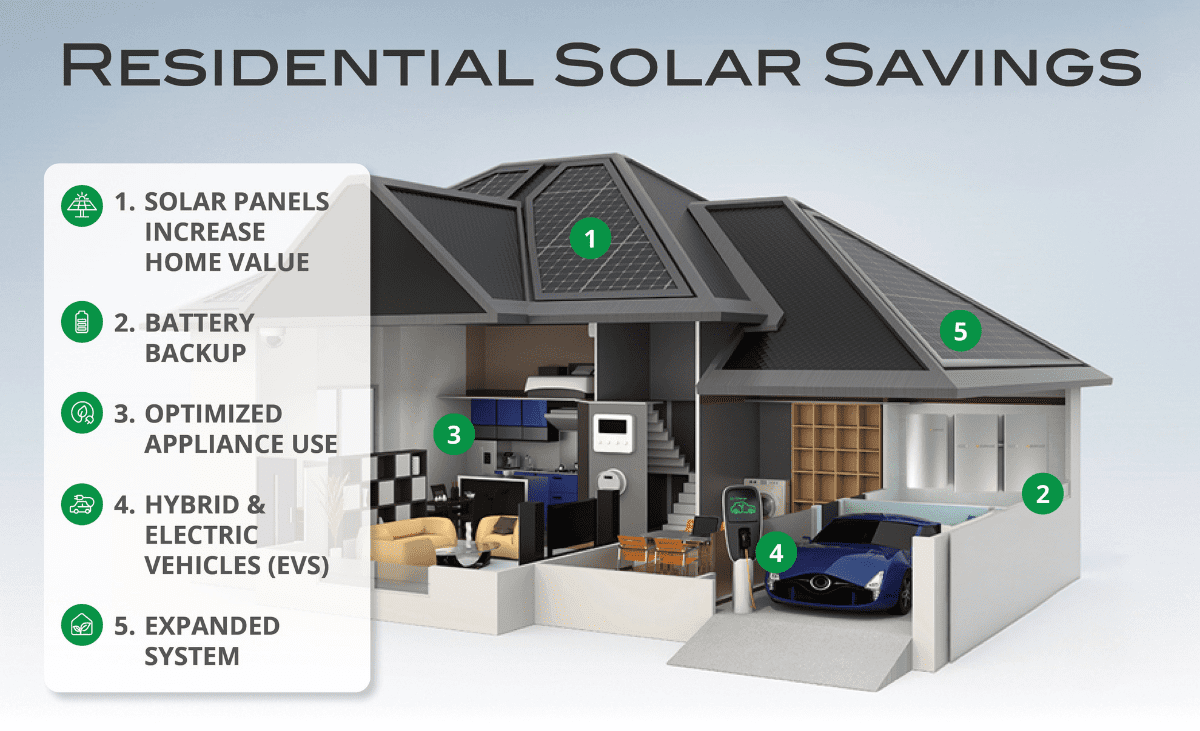
- Optional home battery storage
Before installing the system, a solar company should review the home’s roof, electrical equipment, energy use, and expected EV charging needs.
Battery storage may also be added depending on the homeowner’s goals and system design.
Portable Solar Car Battery Chargers
Portable solar battery chargers are much smaller.
These products are commonly designed to charge or maintain the 12-volt battery in a gas-powered vehicle rather than the large traction battery that powers an electric vehicle.
Portable chargers may be useful for:
- Cars that sit unused for long periods
- RVs
- Boats
- Camping equipment
- Emergency preparedness
- Locations without easy access to an electrical outlet
Because these chargers vary widely in output and design, make sure the charger is compatible with the battery you plan to use.
You can view examples of portable solar battery chargers on Amazon.
Which Type Do You Need?
Choose based on what you are trying to charge.
Consider a home solar EV charging system if:
- You own or plan to buy an electric vehicle
- You want to charge the EV at home
- You are considering rooftop solar
- You want solar production to help offset EV electricity use
Consider a portable solar battery charger if:
- You need to maintain a 12-volt vehicle battery
- Your vehicle or equipment may sit unused
- You need a small charging option away from an outlet
- You want an emergency battery-maintenance option

Can Battery Storage Be Added to Solar EV Charging?
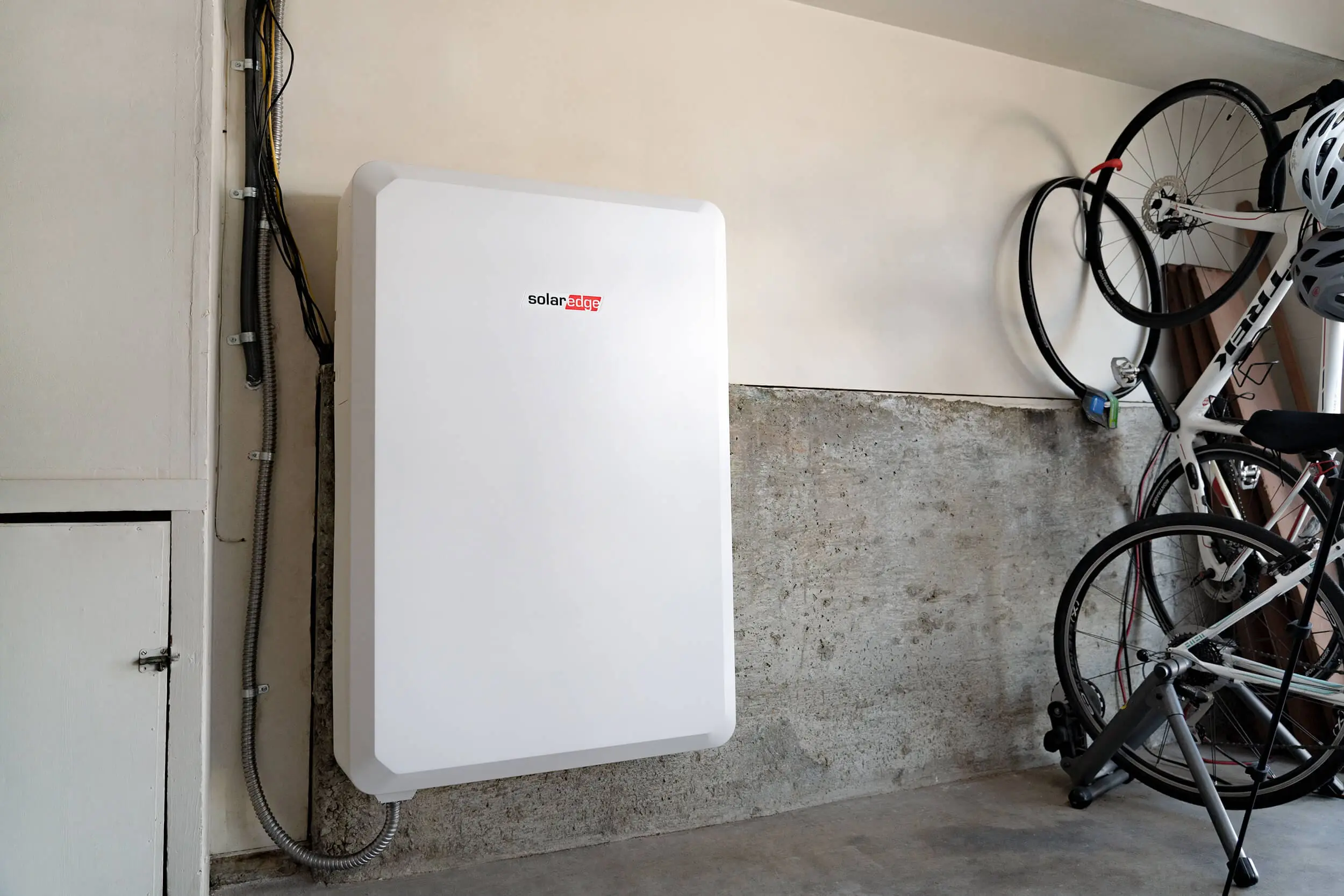
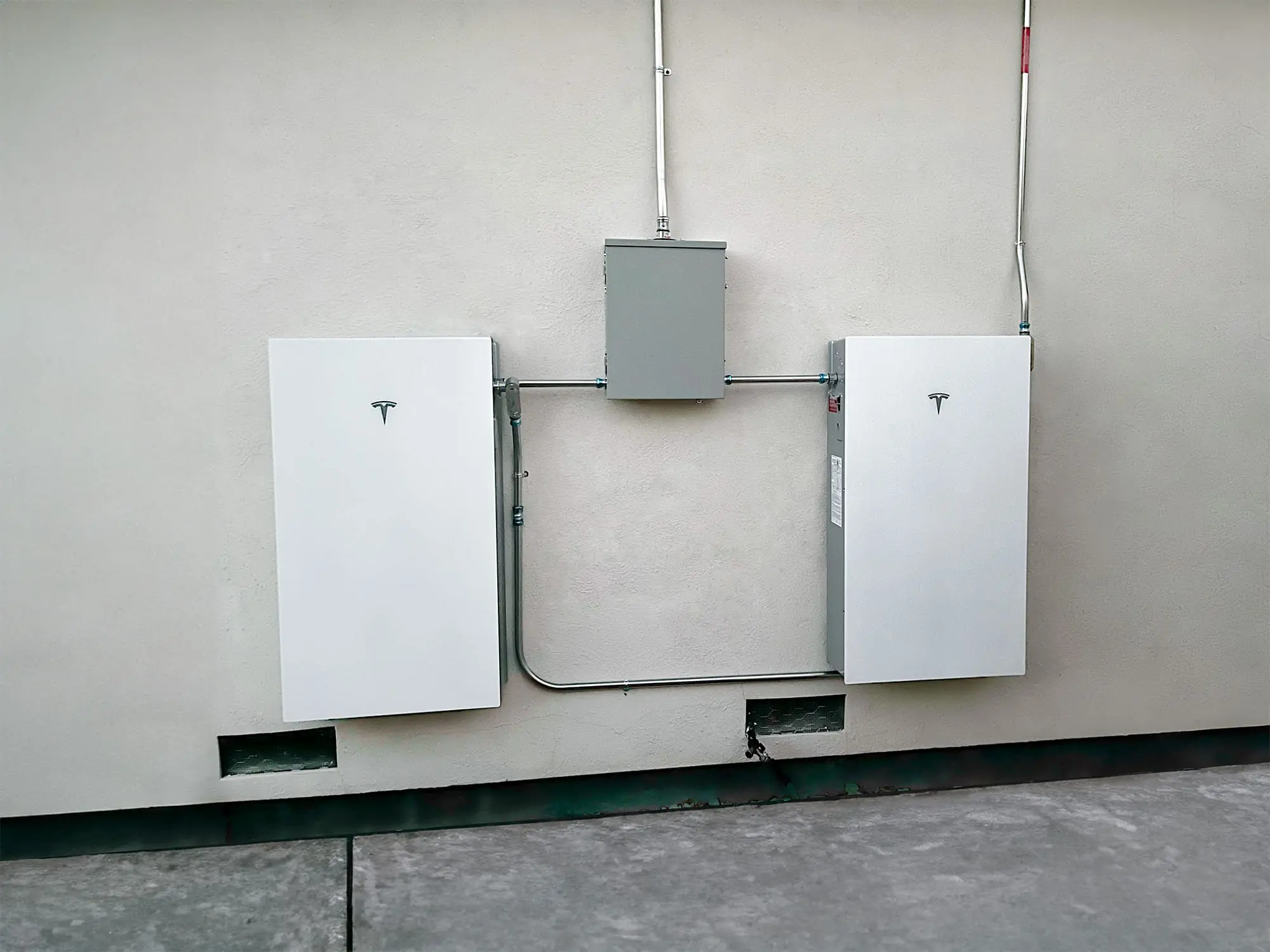
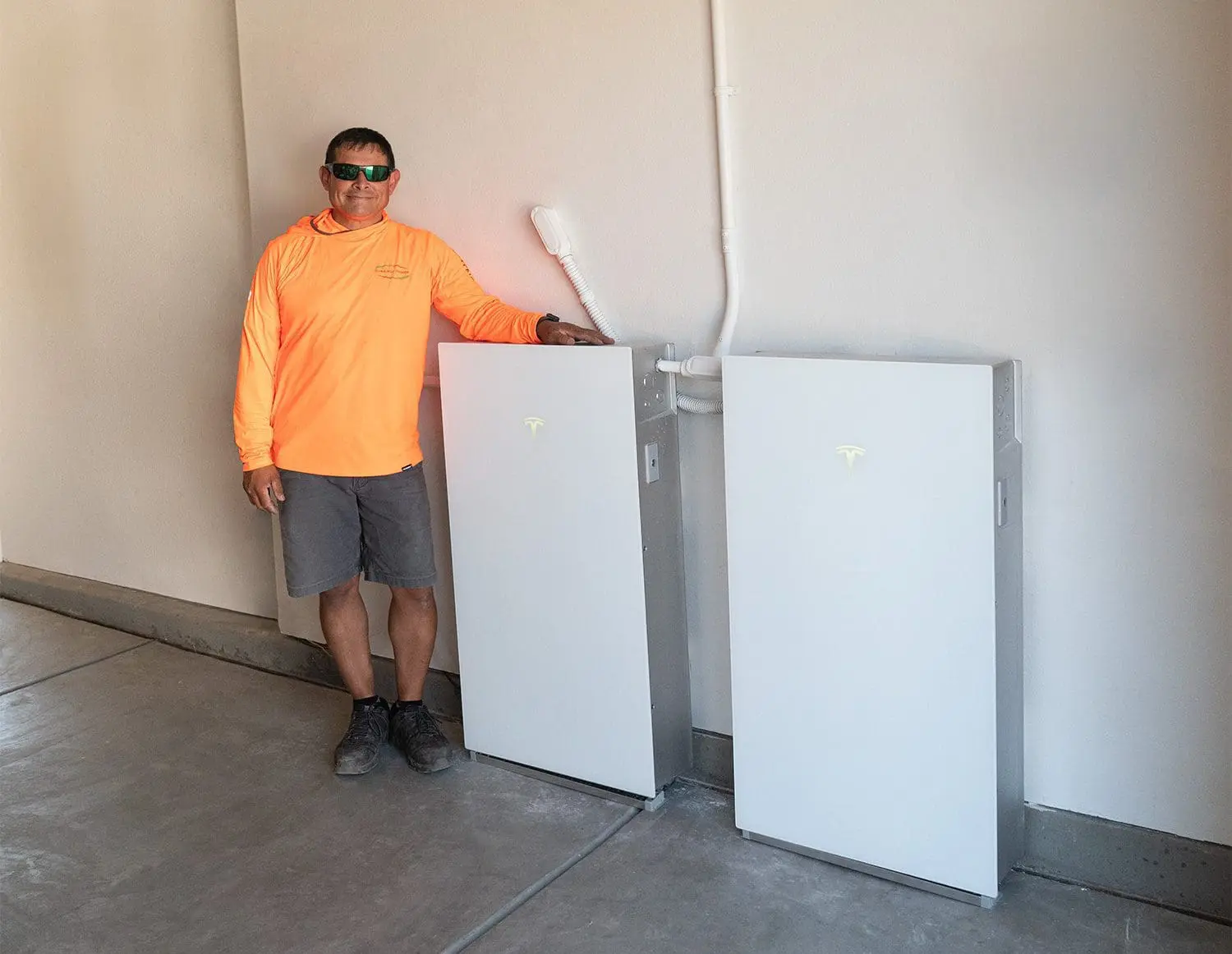
Yes, a home solar system may also include battery storage.
Solar panels produce electricity during the day. A battery can store some of that electricity for later use.
Depending on the system design, stored energy may be used for:
- Home electricity use after sunset
- Selected circuits during an outage
- Managing when solar energy is used
- EV charging in some system configurations
Battery size and system design should be based on the homeowner’s actual energy needs and priorities.
Smart Technology Can Improve Solar Charging
Modern solar and charging equipment can include tools that help homeowners track and manage energy use.
Solar System Monitoring
Many solar systems allow homeowners to monitor electricity production.
Depending on the equipment, monitoring may show:
- Current solar production
- Daily energy production
- Historical production
- System status
Smart EV Charging
Some EV charging systems include connected features that let the homeowner control charging through an app or other interface.
Available features vary by charger.
They may include:
- Charging schedules
- Remote monitoring
- Charging history
- Energy-use tracking
Maximum Power Point Tracking
Maximum Power Point Tracking, or MPPT, is a technology used in many solar power systems.
It helps the system adjust to changing sunlight and operating conditions so the solar panels can produce electricity efficiently.
Is Solar EV Charging Right for Your Home?
Solar-powered EV charging can make sense for homeowners who want to produce some of the electricity used by their vehicle.
Before installing a system, consider:
- How many miles you drive
- How much electricity your EV uses
- When you normally charge
- Your home’s current electricity use
- Available roof space
- Roof condition and shade
- Your electrical panel
- Whether you want battery backup
- Your utility’s current rates and solar rules
A site-specific solar design can help determine how much additional solar capacity may be needed to support EV charging.
The Future of Solar Vehicle Charging
Solar panels, home batteries, and electric vehicles can work together as part of a home’s energy system.
For some homeowners, solar can help offset the additional electricity needed to charge an EV. Battery storage can add another layer of energy management and backup power.
Portable solar chargers also have a place, but they serve a different purpose. Most are designed for smaller batteries and battery maintenance rather than directly charging an electric vehicle’s main battery.
Understanding that difference makes it easier to choose the right solar charging solution.
Talk to Synergy Power About Solar EV Charging
Thinking about adding an electric vehicle, solar panels, or home battery storage?
Synergy Power can review your home’s electricity use, solar potential, electrical equipment, and EV charging needs.
You can also learn more from these resources:
- Compare home standby generators and battery backup systems.
- See the battery storage systems and manufacturers Synergy Power works with.
- Review solar incentives for Bay Area homeowners.
Ready to discuss your project?
Schedule A Consultation
Recent Posts




Recent Projects